* You are viewing the archive for the ‘uk’ Category

The intrusion of reality about levothyroxine and depression

depressiont4I’ve been peru­sing com­ments in res­ponse to the UK’s Royal College of Phy­si­cians blun­de­ring and dark-age-constructed Diag­no­sis and treat­ment of pri­mary hypothy­roi­dism.  And though all com­ments are quite good and worth your read, I was struck by the com­ment tit­led May Rea­lity Intrude? by a man named Char­les.

Char­les explains that in 1999, his 67-year-old wife had RAI (radioac­tive iodine) and was then put on levothy­ro­xine, a T4-only medi­ca­tion (aka Synth­roid, Levoxyl, Eltro­xin, Oro­xine, levothy­ro­xine, et al).  And not long after, she com­plai­ned of having depression. 

He had an idea why after rea­ding the New England Jour­nal of Medi­cine about T3, and pro­cee­ded to buy her Armour off the inter­net.  Without her kno­wing, he switched medi­ca­tions. Lo and behold, he sta­tes “she promptly retur­ned to her usual sunny dis­po­si­tion”. Her phy­si­cian knew nothing of the switch either, and found nothing to be con­cer­ned about in her.

Char­les then explai­ned how, at age 74 in 2007, she was near death thanks to an ulcer bleed.  And to con­ti­nue trea­ting her hypothy­roi­dism, the hos­pi­tal gave her levothy­ro­xine all over again.  Back came her depres­sion and a fee­ling of wan­ting to go home and die. 

So Char­les brought her Armour to the hos­pi­tal, and though her phy­si­cal state was depres­sing enough, her sunny dis­po­si­tion retur­ned.  And that happy spi­rit while still on Armour con­ti­nues today after a full reco­very.

And Char­les pon­de­red. If his wife had been in a NHS (Natio­nal Health Ser­vice) hos­pi­tal under the care of a so-called thy­roid spe­cia­list of the NHS, would she have fai­led to obtain T3 and ins­tead, sent to a psychia­trist as if her depres­sion had nothing to do with her levothy­ro­xine trea­ted hypothy­roi­dism – the very treat­ment that the Royal College of Phy­si­cians has a dog­ma­tic love affair with?

He then conc­lu­des: My wife’s depres­sion was obvious. Since she is equip­ped with much the same assort­ment of body parts and asso­cia­ted phy­sio­logy as others, is it not likely that many levothyroxine-treated patients suf­fer from less-noticeable depression? 

Well Char­les, most any thy­roid patient who deci­des to res­pond to this will tell you une­qui­va­cably YES, YES, YES.  Because there’s no research, study or direc­tive that is more pro­found and telling than the actual EXPERIENCE of patients all over the world with T4 treat­ment and depression…besides a slew of other side effects of con­ti­nuing hypothy­roi­dism on T4-only meds.

Did you have depres­sion on a T4 med? Tell us about your expe­rience in the Com­ments sec­tion of this post.

*Want to be infor­med of these blogs? Curious what’s on Janie’s mind? Use the Noti­fi­ca­tions on the lower left of the links.

*Scroll down to the June 2nd post and report your expe­rience on the newly for­mu­la­ted Armour. It’s not a happy pic­ture.

Thyroid Patients sending a big KISS to this British Doctor!

kiss2

I recently dis­co­ve­red a very humo­rous and appropo medi­cal blog on the net, writ­ten by a Uni­ted King­dom Gene­ral Prac­ti­tio­ner who wisely stays incog­nito. His blog is called The Job­bing Doctor.

And his most recent and humo­rously bri­lliant post is tit­led Hairy legs are bet­ter than blood tests! He desc­ri­bes his occa­sio­nal con­fu­sion when blood tests don’t agree with the patients symptoms.

Says the UK doc: “The text­books teach that the level of cir­cu­la­ting thy­roid hor­mo­nes (which are called T3 and T4) are inver­sely rela­ted to the Thy­roid Sti­mu­la­ting Hor­mone (TSH). If your T3 and T4 are low, your TSH will be high: this sug­gests an unde­rac­tive thy­roid gland. If the T3 and T4 are high and the TSH is low, then you have an ove­rac­tive thy­roid gland. That’s easy, huh!”

But his con­fu­sion sprang forth when a patient’s labs sho­wed “a highish TSH, T4, and a nor­mal T3.” Yet appa­rently her symp­toms didn’t imply there was any pro­blem, so he chose to do nothing as far as chan­ging her treatment.

A month later at her next appoint­ment, this patient expres­sed her appro­val that he didn’t change anything…because her leg hair and eye­brows were coming back.

And his conc­lu­sion?  “Pah! Who needs blood tests!” 

Job­bing Doc­tor, you are dis­co­ve­ring what thy­roid patients have been lear­ning over and over for years: it’s SYMPTOMS (or lack up) which need to pull the cart, NOT lab­work. Sure, we love our lab­work. They can give clues to areas where our bodies are screa­ming for help.  But they defi­ni­tely do NOT tell the whole story.

Look at the igno­ra­mus TSH lab test. Count­less patients have wal­ked into their doc­tors offi­ces with clear and obvious hypothy­roid symp­toms – and des­pe­rate for a diag­no­sis – yet the ink spot on the office piece of paper called the TSH lab result proc­laims they are “nor­mal”. And that dubious “nor­mal” diag­no­sis can go on for years before it rises high enough to reveal what was already there by SYMPTOMS.

Or, while on thy­roid medi­ca­tion, patients will have a lame­brain “nor­mal” TSH lab result, yet will con­ti­nue to have their own brand and degree of con­ti­nuing hypothy­roid symp­toms which the clue­less doc­tor dis­mis­ses as an hys­te­ric female inter­pre­ta­tion, motherhood, stress, a need for psycho­lo­gi­cal help.…or just “something else”. Uh huh.

In fact, Job­ber Doc­tor, patients have lear­ned that when they are opti­mal (on desic­ca­ted thy­roid), along with opti­mal ferri­tin and cor­ti­sol), they will gene­rally have a free T3 in the upper part of the range, and a SUPPRESSED TSH, with no symp­toms of hyperthy­roi­dism.  That is gene­ral, and there can be some excep­tions, but ove­rall, it has spo­ken volu­mes to patients on how ina­de­quate thy­roid lab tests can be.  i.e. being in the “nor­mal” range — anywhere in the nor­mal range – can be mean squat.

Thanks for a great post,  UK Job­ber Doc. And P.S.  Desic­ca­ted thy­roid is an even bet­ter treat­ment than thy­ro­xine. :)

*Want to be infor­med of these blog posts? Curious what’s on my mind? Just use the Noti­fi­ca­tions at the bot­tom left of the links. 

UK celebrities with thyroid cancer or disease

clareblading1Thy­roid pro­blems have become rampant.

And it’s not just in the US with indi­vi­duals like Oprah, fit­ness guru Jillian Michaels, Sex and the City’s Kim Cat­trall, George and Bar­bara Bush, Kelly Osbourne and others.  A recent article in the Daily Mail-UK high­lights the saga of  Clare Bal­ding, the BBC TV sports pre­sen­ter in the UK whose thy­roid was gladly remo­ved due to a malig­nant tumor.

Even the gal who wrote the well-written article about Clare, Pippa Jolly, reports having gone through the same remo­val 13 years pre­vious due to an extreme case of Hashi­mo­tos and a nodule pres­sing against her trachea.

But within the infor­ma­tive and hope­ful tone of the article are a few Rod­ney Dan­ger­field thuds of the con­ti­nuing SCANDAL and idiocy of a par­ti­cu­lar thy­roid treat­ment which even the most inno­cent of article wri­ters can be fooled.

Thud #1: The very first sen­tence of the article says: Some good news for Clare Bal­ding, the BBC TV sports pre­sen­ter, is that her recent ope­ra­tion to remove her can­ce­rous thy­roid gland — a thy­roi­dec­tomy — should be the end of the matter.

End of the mat­ter? Only if she had been put on desic­ca­ted thy­roid like Natu­reth­roid, et al. Because it appears she’s on the delight­fully enchan­ting synthe­tic “thy­ro­xine”, the dar­ling of most UK doc­tors and which ser­ves to leave almost ever­yone with their own brand and inten­sity of con­ti­nuing hypothy­roid symp­toms.  You can lis­ten to my audio here about T4.

Thud #2: Diag­nos­tic rates are on the inc­rease, says Pro­fes­sor Mon­son, as thy­roid tests are now done rou­ti­nely at GP sur­ge­ries. ‘As a result there is a higher detec­tion rate and the disease can be tac­kled ear­lier and if neces­sary follo­wed up by surgery.

Right. Those inc­rea­sing diag­nos­tic rates, some which are based on the lousy TSH lab test, are ove­rri­dingly catching someone’s hypothy­roid state years after it star­ted, which lea­ves a cer­tain per­cen­tage with the misery of adre­nal insuf­fi­ciency and host of other pro­blems from being undiag­no­sed so long.  And if one is trea­ted after sur­gery based on the same holy TSH, you will only con­ti­nue to have your brand of con­ti­nuing symp­toms. You can lis­ten to my audio on the TSH here.

Thud #3: If the thy­roid is remo­ved or not func­tio­ning pro­perly, thy­ro­xine will need to be taken in drug form for life. 

You and millions of others have been hood­win­ked into thin­king it’s thy­ro­xine you will need the rest of your life, aka Eltro­xine, Synth­roid, or levothy­ro­xine,  et al.  But those T4 meds force you to depend on con­ver­sion alone, a pro­cess not well done in many, and you miss out on what natu­ral desic­ca­ted thy­roid would be giving you as a much wiser treat­ment–exactly what your own thy­roid gives: direct T4, T3, T2, T1 and cal­ci­to­nin. Or even at the VERY least, giving your­self synthe­tic T4 with synthe­tic T3.

Thud #4: Now I have to have my hor­mone levels chec­ked every three months and make sure I take my medi­ca­tion, but other­wise I feel fine. 

I com­ple­tely believe Pippa when she says she feels fine. But I want to warn her:  some CAN feel fine on a T4-only medi­ca­tion, but even­tually and espe­cially as she ages,  she’s going to have to watch out for those pesky little demons of being on an infe­rior, ina­de­quate medi­ca­tion, which can inc­lude rising cho­les­te­rol, chro­nic low-grade depres­sion, rising high blood pres­sure, or a host of other symp­toms which are indi­vi­dual to each per­son on thyroxine.

Here’s hoping Clare and Pippa join the gro­wing body of patients all over the world whose lives are being chan­ged thanks to natu­ral desic­ca­ted thyroid.

*Want to be infor­med of these blog posts? Curious what I’m ran­ting about now? Use the Noti­fi­ca­tions on the lower left of the links. 

UK’s Royal College of Physicians continues to be deaf, blind and royally dumb.

throwingup1Funny how things work.

I had been won­de­ring what the heck was going on with thy­roid patients in the UK after the Royal College of Phy­si­cians (RCP) came out with their dim-witted, cuckoo’s– nest February 6th gui­de­line sta­ting that 1) thy­ro­xine was the only medi­ca­tion nee­ded for hypothy­roi­dism, 2) “natu­ral” medi­ca­tions were dan­ge­rous and 3) the only labs nee­ded are the TSH and T4. 

Equally a part of this B-grade horror movie is the three-stooges stand taken by the Bri­tish Thy­roid Asso­cia­tion (BTA).

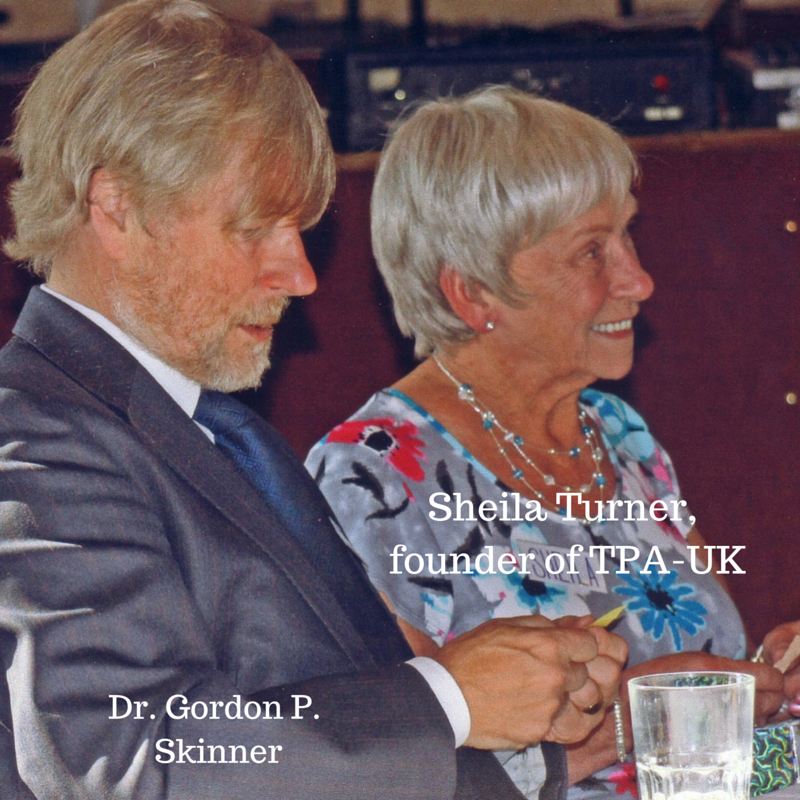
And UK-TPA thy­roid patient advo­cate Sheila Tur­ner began to go through her own hell when her Armour was taken away, which you can read about in the February 20th blog post here.

And sud­denly, I get an email from Sheila, infor­ming me that the RCP is as stu­pid as they were three months ago. 

Sheila sta­tes: This is abso­lu­tely unbe­lie­va­ble that out of the hun­dreds of refe­ren­ces we sent to the Royal College of Phy­si­cians to show their gui­de­line to be fla­wed, they have taken no account of one sin­gle one of them. They are publishing their pre­vious gui­dance without one since change. The world has gone mad.

Dear Sheila,

Further to my email of 6 April, the com­ments and mate­rials recei­ved by the College have been revie­wed. This posi­tion sta­te­ment or gui­dance (not a gui­de­line) was pro­du­ced on behalf of the Royal College of Phy­si­cians, in par­ti­cu­lar its Patient and Carer Net­work and the Joint Spe­cialty Com­mit­tee for Endoc­ri­no­logy and Dia­be­tes; the Asso­cia­tion for Cli­ni­cal Bioche­mistry; the Society for Endoc­ri­no­logy; the Bri­tish Thy­roid Asso­cia­tion; the Bri­tish Thy­roid Foun­da­tion Patient Sup­port Group and the Bri­tish Society of Pae­dia­tric Endoc­ri­no­logy and Dia­be­tes and is endor­sed by The Royal College of Gene­ral Practitioners.

The Pre­si­dent has asked me to let you know that this review has not resul­ted in any chan­ges to that sta­te­ment.  It should be noted that it is about the treat­ment of pri­mary hypothy­roi­dism and does not prec­lude other treat­ments for excep­tio­nal cases by spe­cia­list endoc­ri­no­lo­gists who can make clear to patients any asso­cia­ted risks.

Refe­ren­ces sup­por­ting the sta­te­ment are lis­ted below.

Yours sin­ce­rely,

Catha­rine Perry
Administrator

•   Diag­no­sis and treat­ment of pri­mary hypothy­roi­dism. BMJ 2009;338:b725
•   Vaidya B, Pearce S. A Cli­ni­cal Review of the mana­ge­ment of hypothy­roi­dism in adults. BMJ 2008;337:a801. This con­tains refe­ren­ces for 35 artic­les and sta­tes that Armour thy­roid is of no pro­ved addi­tio­nal bene­fit to levothy­ro­xine.
• The Lan­cet Volume 363, Issue 9411, Pages 793 — 803, 6 March 2004.  This covers the his­tory, epi­de­mio­logy, pathophy­sio­logy, and cli­ni­cal diag­no­sis and mana­ge­ment of hypothy­roi­dism and is writ­ten by Caro­line GP Roberts and Paul Laden­son of Johns Hop­kins Uni­ver­sity School of Medi­cine, Bal­ti­more, USA.  This review, which refe­ren­ces 164 cli­ni­cal artic­les, sta­tes that the treat­ment of choice for hypothy­roi­dism is levothy­ro­xine sodium (thy­ro­xine) and does not refer to Armour thy­roid.
•  Baloch Z, Cara­yon P, Conte-Devolx B, et al. Labo­ra­tory medi­cine prac­tice gui­de­li­nes. Labo­ra­tory sup­port for the diag­no­sis and moni­to­ring of thy­roid disease.Thyroid 2003;13:3 – 126.
•  Asso­cia­tion of Cli­ni­cal Bioche­mists BTA, Bri­tish Thy­roid Foun­da­tion. UK Gui­de­li­nes for the use of thy­roid func­tion tests. http://acb.org.uk/docs/tftguidelinefinal.pdf
•  Surks MI. Ortiz E, Daniels GH, et al. Subc­li­ni­cal thy­roid disease: scien­ti­fic review and gui­de­li­nes for diag­no­sis and mana­ge­ment. 2004;291:228 – 238.

And as your peruse the six refe­ren­ces above which they use to defend their tunnel-visioned, moro­nic posi­tion, you rea­lize that YOU, YOUR WORDS, AND YOUR POSITIVE-OUTCOME EXPERIENCE ON DESICCATED THYROID IS ABOUT AS IMPORTANT TO MOST PHYSICIANS & ORGANIZATIONS IN THE UK AS IS DIRT ON THE BOTTOM OF A RUSTED BUCKET IN THE MIDDLE OF A EMPTY FIELD IN NOWHERE. Yup.

Or as Harold Ship­man sta­ted about the RCP’s gui­de­li­nes: What a bri­lliant wheeze.

*See below on the poten­tial impor­tance of potas­sium in your health and well-being. And on the May 7th post about the party being over with Forest Phar­ma­ceu­ti­cals, com­ments con­ti­nue to come in about expe­rien­ces with the “new” Armour. Have you read the STTM book? Patients are sta­ting they like it even bet­ter than this HUGE web­site. lol.

*Want to be infor­med of my blog posts? Curious what’s on my mind? Use the Noti­fi­ca­tion on the lower left of the links.

The “Three Stooges of Belief” of the British Thyroid Association (let’s hope this stupidity doesn’t rub off in the US!)

The Bri­tish Medi­cal Jour­nal (BMJ) recently came out with yet another thy­roid article, benignly tit­led Diag­no­sis and treat­ment of pri­mary hypothy­roi­dism and autho­red by the Bri­tish Thy­roid Asso­cia­tion (BTA),  that at first blush, looks so caring.

Namely, they express deep con­cern that that since hypothy­roid symp­toms can mimic other con­di­tions, patients may be get­ting an inco­rrect diag­no­sis which could expose some patients to the harm­ful effects of excess thy­roid hor­mo­nes, while other serious con­di­tions may go undiagnosed.

And they add: In other patients, ade­quate repla­ce­ment with levothy­ro­xine does not resolve symp­toms, which are attri­bu­ted to hypothy­roi­dism rather than other con­di­tions that may coe­xist, such as depression.

The article con­ti­nues with:  Nor­ma­li­sa­tion of thy­roid sti­mu­la­ting hor­mone means a return to nor­mal health in most patients with pri­mary hypothy­roi­dism.

In other words, what you have above are the Three Stoo­ges of the sta­ted beliefs of the Bri­tish Thy­roid Association.

Stooge stated-belief #1: “Inco­rrect diag­no­sis allow other con­di­tions go undiag­no­sed” What is infe­rred is that there are a host of diag­no­ses of hypothy­roi­dism that are inco­rrect. Why? Because a wise phy­si­cian dared to lis­ten to clear symp­toms of hypothy­roi­dism or use the free T3, in spite of a so-called “nor­mal” TSH – a lab test which mea­su­res a pitui­tary hor­mone, not the cells abi­lity to receive enough thy­roid hormones.

Stooge stated-belief #2: “If ade­quate doses of levothy­ro­xine do not resolve symp­toms, those symp­toms are due to something else.” That is akin to saying if eating 100 calo­ries a day results in mal­nu­tri­tion and star­va­tion, your mal­nu­tri­tion and star­va­tion is due to something else. And one par­ti­cu­lar symp­tom they are refe­rring to is depres­sion–a clas­sic symp­tom of undiag­no­sed and under­trea­ted hypothy­roi­dism in MILLIONS of indi­vi­duals around the world.  And isn’t it just odd how that depres­sion resol­ves itself when the patient is put on Armour and allo­wed to dose by the eli­mi­na­tion of symptoms.

Stooge stated-belief #3: “A nor­mal TSH lab result equals nor­mal health in those trea­ted for hypothy­roi­dism”. Gee, funny how millions of thy­roid patients around the world have had a so-called “nor­mal” TSH lab result along with a diverse blend of con­ti­nuing and CLEAR hypothy­roid symp­toms.  Addi­tio­nally, we have a large and gro­wing body of patients who, when they switched to Armour desic­ca­ted thy­roid or other fine desic­ca­ted thy­roid presc­rip­tion meds,  had those symp­toms resol­ved when they were dosed accor­ding to the free T3, impro­ved blood pres­sure, strong heart beat, lowe­red cho­les­te­rol, and com­plete eli­mi­na­tion of symp­toms. Patients have lear­ned what works!

When you unders­tand the Bri­tish Thy­roid Association’s hell-bent and rigid stands against Armour desic­ca­ted thy­roid, their pro­mo­tion of one of the worst labs ever crea­ted to diag­nose and dose by, their love affair with the most ina­de­quate thy­roid medi­ca­tion ever thrust onto the mar­ket by money-grubbing phar­ma­ceu­ti­cals (levothy­ro­xine), and their com­plete fai­lure to lis­ten to patients and recog­nize con­ti­nuing symp­toms of hypothy­roi­dism while on synthe­tic T4, you come to rea­lize how mea­ning­ful any article on hypothy­roi­dism will be by the Bri­tish Thy­roid Association.

P.S.  Do ya won­der if the Bri­tish Broad­cas­ting Cor­po­ra­tion (BBC) has the smarts to report the other side of the story??

*Want to be infor­med of these blog posts? Curious what’s on Janie’s mind? Just use the Noti­fi­ca­tion fea­ture on the bot­tom  of the links to your left.