Years ago, when we were seeing a lot of us having a cortisol problem, we were also surprised to see that perhaps 50% of those with a cortisol problem (whether high or low) also had low aldosterone. Check out the information below and also share with your doctor. ~Janie, hypothyroid patient and site creator
Low aldosterone can go hand-in-hand with a cortisol problem, whether too high or too low, for most hypothyroid or Hashimoto’s patients if their adrenals are stressed!
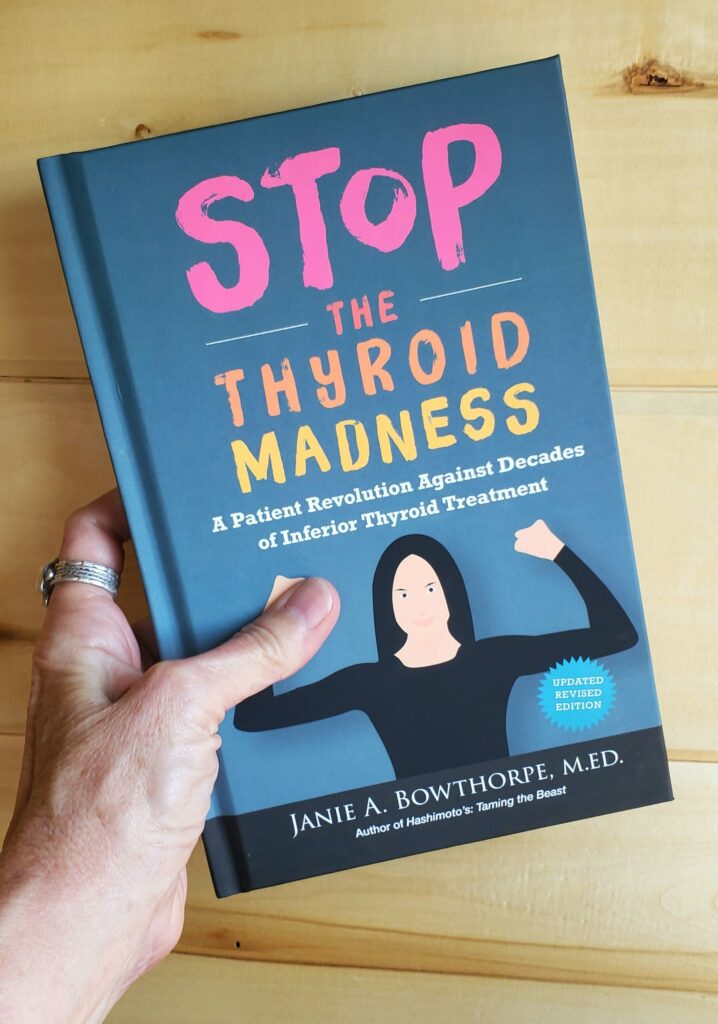
DO YOU HAVE THE IMPORTANT Updated Revision “Stop the Thyroid Madness” book, aka STTM 1? You need to study chapter 6, which is specific to adrenal problems that we so easily acquire due to the poor treatment by our doctors, and more causes. There are important updates in the updated revision you should have, and which aren’t even here.
What is aldosterone?
Aldosterone, a steroid hormone just like cortisol, is produced in the same area of the adrenals as cortisol is produced–the outer cortex of your adrenals. This area also produces/releases testosterone, DHEA, DHEAS, androstenedione and estrogens. Aldosterone is the principal of a group called mineralocorticoids (whereas cortisol is in the group called glucocorticoids). Aldosterone helps regulate levels of sodium and potassium in your body, i.e. it helps you retain needed salt, which in turn helps control your blood pressure, the distribution of fluids in the body, and the balance of electrolytes in your blood. It does all this by stimulating your kidneys to both take in more sodium while releasing excess potassium—a vital balance in your heath and well-being.
By 2004, there was also evidence that aldosterone played a role in cardiovascular health.
The right amount of aldosterone is important for conserving sodium in your kidneys, your salivary glands, your colon and even your sweat glands. It also helps you hang onto potassium. So when it’s low, individuality can show whether it’s resulting in excess urination, or excess sweating, or low blood sodium, or even acidosis. More symptoms below pertaining to low aldosterone.
What exactly stimulates aldosterone production??
Aldosterone is released by the cortex area of your adrenal glands, specifically from the zona glomerulosa….just as cortisol is released from the same part of your adrenals. You can read technical information here. Wiki here. A decrease in your blood pressure, or too high levels of potassium, are two common reasons ialdosterone is released.
On the other side of the coin, we as informed hypothyroid or Hashimoto’s patients have noticed aldosterone will fall with stressed adrenals (due to poor treatment of our thyroid problem by doctors) which results in a cortisol problem, either too high or too low levels, as well.
When aldosterone gets too low, which can be common in some hypothyroid and Hashimoto’s patients with cortisol problems, symptoms can include (you can some, not others):
- lower range sodium levels (kidney excreting too much salt, leading to low blood pressure in some)
- falling potassium levels over time
- craving salty foods
- frequent urination
- sweating more than you used to (not as common as frequent urination)
- slightly higher body temperature
- feeling thirstier than you used to
- higher pulse or palps
- dizziness or lightheadedness when you stand
- fatigue
- just not feeling right

AN INTERESTING CLUE: Have a dog? Is your dog licking your legs here or there? Well, that’s not necessarily ‘love”, even if your dog greatly loves you!!!. That is indicative of the salt wasting by low aldosterone as reported by patients who own dogs! woof!
Another clue that your aldosterone may be too low?? Never finding stable DATS (daily average temps averages–see the STTM 1 book–you just keep going higher and higher with the HC (Cortef aka hydrocortisone) and end up on too much!!
How do I test Aldosterone and what should I look for in the results?
Testing for aldosterone is usually done by a blood test. You can order your own here. We as patients also read that it may also be important to avoid all salt for at LEAST 24 hours before the test, and to be moving around (the best you can) before you test. If you are a heavy salt user, being off salt for at least 2-3 days may be important to clear it out better.
We have also found it highly important to also test sodium and potassium. If you are using your doctor to test, ask for aldosterone, sodium, and potassium.
NOTE: doctors are not trained well that WE can get low aldosterone from stressed adrenals. They only know about it from having kidney failure, which is NOT our reason.
NOTE: aldosterone levels can be doubled if you are pregnant, and are normally a little higher in children than in adults.
Before testing, which is still important we have found, you can also try a self-test—the pupil test, listed in Discovery Step Two on the Adrenal page. The blood pressure test from a supine position to standing can also point to your adrenals.
We have noted that when someone has LOW aldosterone symptoms (as seen in the symptoms above), they tend to fall “around” mid-range or lower in lab results. When someone does NOT have low aldosterone, then tend to fall GREATLY ABOVE mid-range, even closer to the top part of the range.
More in Chapter 6 in the updated revision STTM book. VERY IMPORTANT TO READ ABOUT ALL THIS AND BE PREPARED TO TEACH YOUR DOCTOR.
IMPORTANT NOTE FOR MENSTRUATING WOMEN: It’s strongly recommended by practitioners to test your aldosterone in the first week of your menstrual cycle (i.e. the week you start bleeding), or up until the beginning of the week after—this is when progesterone is at its lowest. Progesterone can drive your aldosterone up falsely, and progesterone begins to rise at the end of the second week of your cycle.
Potassium supplementation can raise proven low aldosterone??
There is research which implies that is so! From this book page called Endotext [Internet]: https://www.ncbi.nlm.nih.gov/books/NBK279079/#:~:text=Potassium%20directly%20increases%20aldosterone%20secretion,angiotensin%20II%20infusion%20(12), and the heading Aldosterone Deficiency and Resistance, see this: Potassium directly increases aldosterone secretion by the adrenal cortex and aldosterone then lowers serum potassium by stimulating its excretion by the kidney. High dietary potassium intake increases plasma aldosterone and enhances the aldosterone response to a subsequent potassium or angiotensin II infusion (12). The primary action of potassium for stimulating aldosterone secretion is to depolarize the plasma membrane, which activates voltage-dependent calcium channels, that permit influx or efflux of extracellular calcium (12–14), leading to the activation of calmodulin and calmodulin-dependent kinase, subsequently. The activated kinase phosphorylates both activating transcription factor and members of CRE-binding protein family which bind to 5’ flanking promotor regions of the CYP11B2 gene and trigger gene transcription in the zona glomerulosa, followed by increased aldosterone biosynthesis (13,14).
Tell me about Florinef, the medication for low aldosterone?

The treatment of choice by practitioners when aldosterone lab results are low appears to be fludrocortisone acetate with the brand name Florinef, a very potent steroid with mineralocorticoid properties. Several recommendations are to keep it in the refrigerator, too. Or you can try to raise low aldosterone with higher amounts potassium. But first check your liver with the ALT test–results should be in the teens. If a whole lot higher, your stressed liver can cause problems with high dose potassium. Keep in touch with your doctor, if needed.
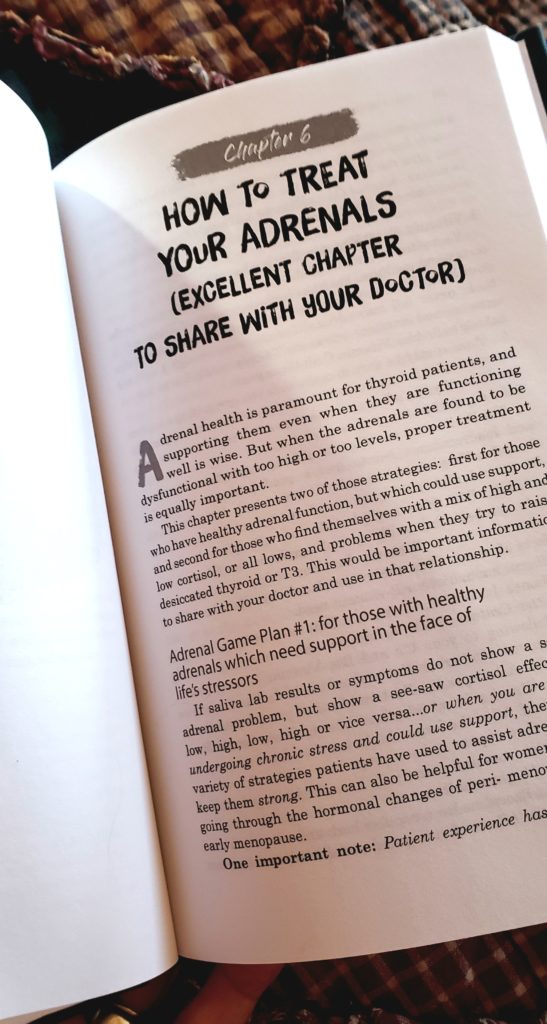
This is where you need to study the section in Chapter 6 of the updated revision STTM book on how we learned to use it along with certain wise doctors. Be prepared to teach your doctor!! For example, we learned NOT start on a full pill due to side effects, but that can be individual. Read that chapter. This book ———>
In the chapter 6 of the book shown above, you will see how we learned to start on Florinef, how we raise, where we often end up in total amount, what we look for to find that right amount, how we use the blood pressure test to find the right amount is, since individuality can come into play. Teach all this to your doctor.
What about a bioidentical form of aldosterone? There is also a bioidentical form of fludrocortisone made by Kripps compounding pharmacy in Canada. It’s still man-made, but it stated to be identical in copy to human aldosterone. The same goes for Cortef, which is cortisol.
ARE YOU ALREADY ON HC (hydrocortisone aka Cortef) WHEN YOU DISCOVERED LOW ALDOSTERONE?? It’s also important to note that some patients who are already on cortisol may have to lower it slightly to compensate for the glucocorticoid potency of Florinef. It’s also recommended to take your Florinef with sea salt mixed in water.
—> When using Florinef, we have learned to keep track of blood pressure, pulse, and electrolytes sodium and potassium.
Why might some need both Florinef and HC (or ACE for only minor or moderately low cortisol as proven by a saliva test) if both are steroids?
Because Florinef (fludrocortisone) better imitates what Aldosterone does, and Cortef (hydrocortisone) or Adrenal Cortex (ACE) better imitates what cortisol does.
Florinef has greater mineralcorticoid activity, just like Aldosterone does. To have mineralcorticoid activity means it controls electrolyte and water levels, mainly by promoting sodium retention in the kidney. But there’s more that mineralcorticoids do. (In many, but not all, low aldosterone promotes more urination, and one can lost salt because of that.)
Cortef has greater glucocorticoid activity, just like Cortisol does. To have glucocorticoid activity means it controls carbohydrate, fat and protein metabolism and is anti-inflammatory. It allows thyroid hormones to get to your cells.
So you can see that Cortef or ACE won’t help you retain salt, just as Florinef won’t help thyroid hormones get to your cells in some, but not all.
Florinef tends to lower potassium?
Yes, we have noticed if low aldosterone stays low a long time. So patients talk to their doctors about the use of “prescription potassium”, even as high as 8000mg a day. But do work with your doctor to find the right amount for you which helps bring low potassium back up, if you find yourself with low potassium. It’s common, but not everyone sees it.
Need gluten-free aldosterone treatment?
Barr Pharmaceuticals (the parent company is Teva Pharaceuticals), maker of generic florinef (for low aldosterone), claim that their product is gluten free. The starches are potato and corn sourced.
Need help interpreting your lab results base on patient experiences and wisdom? Go here: stopthethyroidmadness.com/lab-values/
Afraid of Florinef?? Here’s a blog post from a gal who loves her Florinef! And STUDY CHAPTER 6 in the updated revision STTM book on how we learned to use it wisely!
SUCCESS STORIES:
TED: I started taking Florinef (100ug) two weeks ago, before knowing the dosing from Chris (i.e. not to start on 100ug). Never had a problem, and felt the difference the first day. All positive. Going off salt to take the aldosterone test isn’t an option for me. I’d be in a coma long before the test date! I’m now on 40 mg Cortef, 120mg Armour, 100ug Florinef and feeling far better than I’ve felt in many years. I’m sure I’ll stumble along the way as I increase the Armour, but I think I’m prepared for that. My constant “background” headaches have virtually disappeared……incredible!!!
MICHELLE: I have been on .1 mgs florinef for about 2 months now and what a difference. Before Florinef, I would drink and drink water and still was so puffy. And talk about being dehydrated! I would wake in the morning dying of thirst. I was constantly breathless, and my hearttrate was over 100 resting. Since being on Florinef, I notice increased energy towards the end of the day. I’m not so dehydrated and I handle heat alot better. I also don’t feel so out of breath all the time. My pulse is now is 75-80. I don’t need to take as much salt, since I think I get enough from my foods. I do notice if it is really hot out and I am sweating alot, I might do 1/4 tsp of sea salt and I am ok. For me I know I am taking too much sea salt when my legs cramp.
Have a Florinef success story? Send it via the STTM Contact below and we’ll get your story up to inspire others. Keep it short like those above.
************
For more technical reading:
- Renal Tubular Effects of Hydrocortisone and Aldosterone in Normal Hydropenic Man: Comment on Sites of Action: http://www.jci.org/articles/view/105042
- Renal impairment resulting from hypothyroidism: http://ckj.oxfordjournals.org/content/1/6/440.full
- How progesterone affects aldosterone: http://press.endocrine.org/doi/full/10.1210/jc.2006-1154
Important notes: All the information on this website is copyrighted. STTM is an information-only site based on what many patients worldwide have reported in their treatment and wisdom over the years. This is not to be taken as personal medical advice, nor to replace a relationship with your doctor. By reading this information-only website, you take full responsibility for what you choose to do with the information on STTM or its outcomes. See the Disclaimer and Terms of Use.