* You are viewing Posts Tagged ‘tsh’

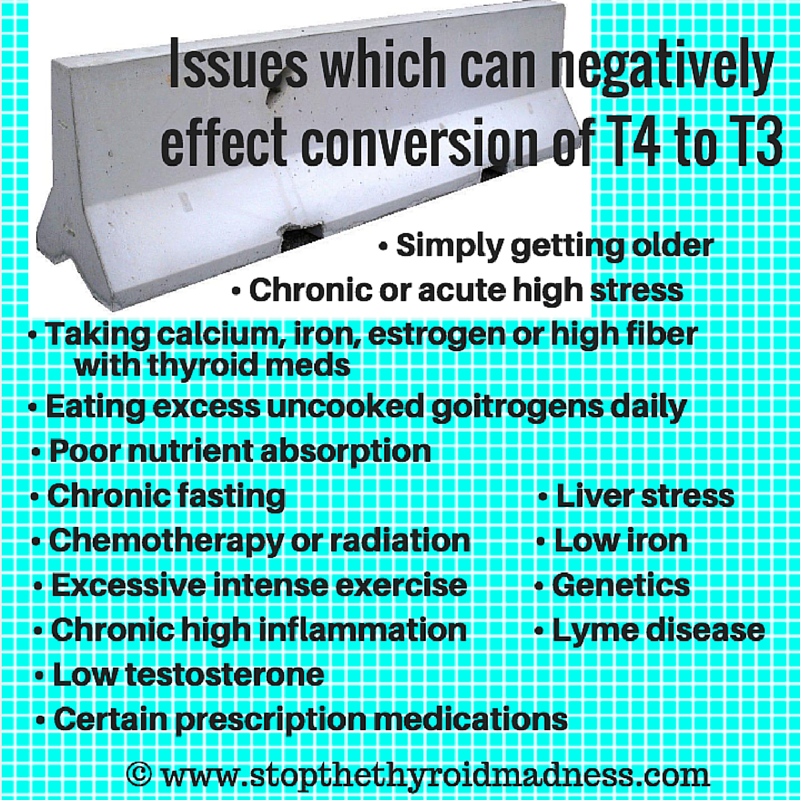
Is there a genetic reason many of us do lousy on T4?

deiodinase2Last May, a very inte­res­ting article appea­red in the May 2009 issue of the Jour­nal of Cli­ni­cal Endoc­ri­no­logy and Meta­bo­lism, tit­led For Some, L-Thyroxine Repla­ce­ment Might Not Be Enough: A Gene­tic Ratio­nale and pre­sen­ted by Endoc­ri­no­lo­gists in Bris­tol in the UK. It’s accom­pa­nied with an edi­to­rial by Endoc­ri­no­lo­gists Brian W. Kim and Anto­nio C. Bianco.

This is the same article refe­rred to by Endoc­ri­no­lo­gist Dr. Gary Pep­per on the last Thy­roid Patient Com­mu­nity Call on Talkshoe.

Basi­cally, the article sta­tes that a gene­tic varia­tion in the enzyme that con­verts T4 to T3, deio­di­nase D2 (also called Type 2 Deio­di­nase, or 5′-Deiodinase), may be res­pon­si­ble for why so many thy­roid patients don’t do well on Synth­roid, Levoxyl, levothy­ro­xine, etc, and in turn, do so much bet­ter on natu­ral desic­ca­ted thy­roid like Natu­reth­roid, Erfa’s Thy­roid, or the com­bi­ned synthe­tic T4 and synthe­tic T3 (Cytomel). 

In other words, where some may have a strongly func­tio­ning deio­di­nase D2 enzyme which con­verts T4 to the active T3 well, others may have a modi­fied deio­di­nase D2 enzyme, cau­sing less opti­mal conversion.

In the Edi­to­rial, the two Endos Kim and Bianco explain the rea­lity of “polymorphism” – a con­di­tion in nature in which chan­ges or varia­tions occur, and in one patient from another, a change in the DNA.  As rela­ted to con­ver­sion of T4 to T3,  some thy­roid patients have a less effec­tive deio­di­nase D2 enzyme in the con­ver­sion of T4 to T3.  Spe­ci­fi­cally, there is a com­mon variant of the gene, threo­nine (Thr) 92 ala­nine (Ala), and it results in dec­rea­sed D2 enzy­ma­tic activity.

The study pro­po­ses that this alte­ra­tion from poly­morphism occurs in 16% of those stu­died, and conc­lu­des that the majo­rity don’t have this pro­blem, and thus, “most do fine on T4-only medi­ca­tions”. But 16% do have this pro­blem and need the com­bi­ned the­rapy of T4 with T3.

Bris­tol was also men­tio­ning this rea­lity in 2004 here, even if they thought it was as low as 5%.

As Dr. Pep­per hin­ted, this study could do won­ders to open the eyes of Endoc­ri­no­lo­gists about the use of desic­ca­ted thy­roid, or at the very least, about com­bi­ned hypothy­roid treat­ment with synthe­tic T3 added to synthe­tic T4.  And I’m glad for that when so many patients have found Endoc­ri­no­lo­gists to be narrow-mindedly stuck on Synth­roid or other T4-only thy­ro­xine products.

Of course, infor­med thy­roid patients know this is only a baby step in the right direc­tion, even if a good one! So we’ll rejoice for this study, and watch for more pro­gress from the medi­cal com­mu­nity and Endoc­ri­no­logy in gene­ral. For exam­ple, saying that “most do fine on T4” simply because they have may a non-variation might be pro­ven wrong as phy­si­cians take the time to really look at those “fine” patients, espe­cially as they age and symp­toms of an infe­rior treat­ment do pop up. And though the com­bi­na­tion of synthe­tic T3 with synthe­tic T4 defi­ni­tely gives bet­ter results, thy­roid patients who then moved to desic­ca­ted thy­roid with it’s T4, T3, T2, T1 and cal­ci­to­nin report even bet­ter results and cli­ni­cal pre­sen­ta­tion!  We’ve also lear­ned that the TSH lab test abso­lu­tely sucks when it comes to diag­no­sis and treat­ment.  Read TSH Why It’s Use­less, or see even more detail in Chap­ter Four of the STTM book, tit­led Thy­roid Sti­mu­la­ting Hooey.

And finally: do thy­roid patients really believe that pro­blems with T4-only treat­ment is simply due to a gene­tic abnor­ma­lity or varia­tion? Maybe. But isn’t it funny that a healthy human thy­roid does NOT depend solely on con­ver­sion, but also gives direct T3. hmmmmmm

P.S.  Patients also know that the use of the sup­ple­ment Sele­nium helps with con­ver­sion, by the way, but has never stop­ped our first-hand know­ledge that desic­ca­ted thy­roid rocks!

*Want to be infor­med of these ‘fringe web­site’ blog posts?  :lol: Curious what’s on radi­cal Janie’s mind? Just use the Noti­fi­ca­tions on the left below the links.

* The extre­mely hip and sophis­ti­ca­ted STTM t-shirts are half price! I love sales!

* Pre­fer STTM in book form with more detail? You can read about it here.

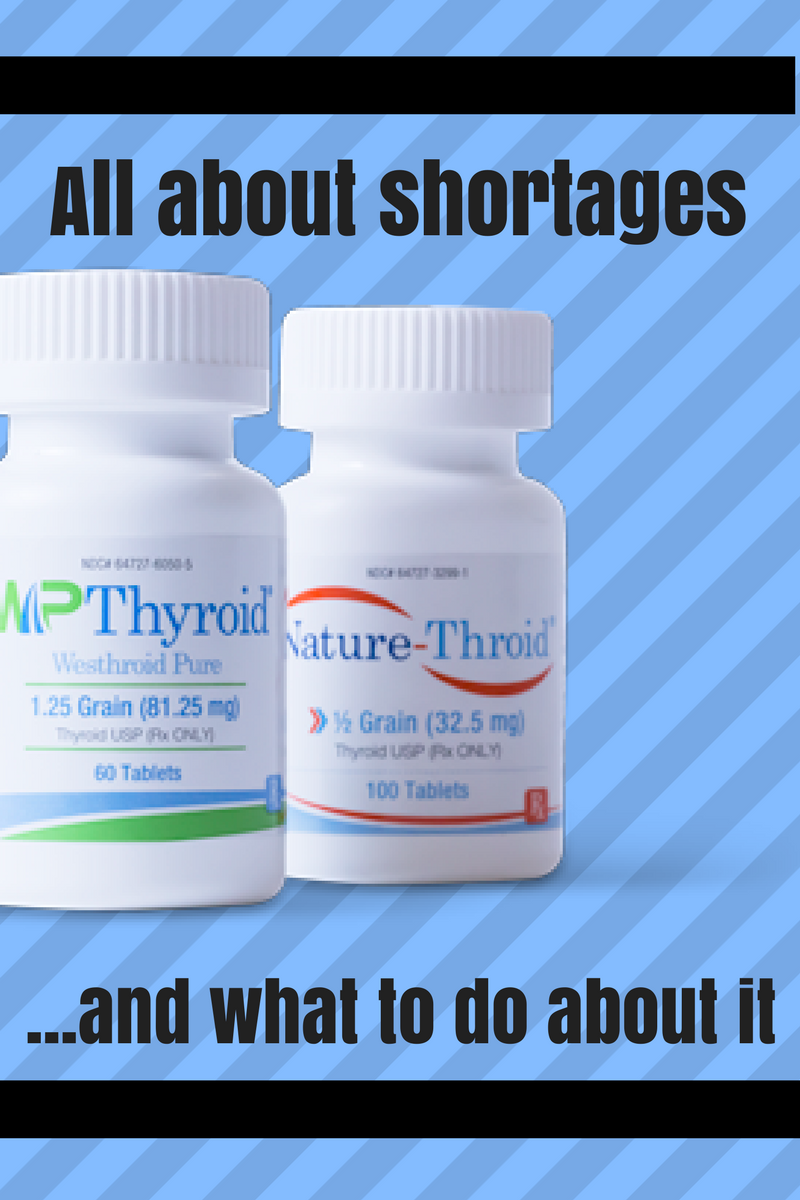
*Need options for thy­roid treat­ment during the current shor­ta­ges due to demand being grea­ter than supply? Go here.

Doctor questions if adrenal fatigue is real

Louis Nei­pris, M.D., a staff wri­ter who has writ­ten many fine artic­les for myOptumHealth.com, recently wrote one article tit­led Adre­nal Fati­gue: Is it for real? It appea­red on Upper Michi­gan News, TV 6 web­site on July 16th and is making the rounds on other sites. His ans­wer to his own ques­tion?  “Not really”. He adds  it’s not an accep­ted medi­cal diagnosis.”

Oops.

Dr. Nei­pris, thy­roid patients all over the world beg to dif­fer, as do a gro­wing body of collea­gues in your pro­fes­sion. Adre­nal fati­gue, aka low cor­ti­sol, has been dis­co­ve­red on the back of a huge body of thy­roid patients, wea­ring them down with  irri­ta­bi­lity, anxiety, sha­ki­ness, fee­ling dizzy or lighthea­ded­ness, sleep issues, swea­ting, salt cra­ving, nau­sea in the face of stress, and a host of other symp­toms uni­que to each indi­vi­dual with adre­nal fati­gue. My per­so­nal obser­va­tion, as a thy­roid patient acti­vist, is that up to 50% of millions of thy­roid patients all over the world, may have adre­nal fati­gue, or at the very least, a slug­gish feed­back loop.

Even worse, the wides­pread occu­rrence of adre­nal fati­gue, espe­cially in thy­roid patients, has cau­sed pro­blems when they try rai­sing a far supe­rior thy­roid medi­ca­tion called desic­ca­ted thy­roid. Because cor­ti­sol is nee­ded to faci­li­tate the move of thy­roid hor­mo­nes from the blood to the cells, the direct T3 in desic­ca­ted thy­roid pools in the blood, cau­sing low-cortisol-induced hyper symp­toms like a poun­ding hear­trate and irri­ta­bi­lity. The first-pass treat­ment then has to start with hydro­cor­ti­sone like presc­rip­tion Cor­tef from their doctors.

Why have such a large body of thy­roid patients found them­sel­ves with adre­nal fati­gue and its low cor­ti­sol? It’s clear. The TSH lab test sucks, giving one a “nor­mal” rea­ding for years in spite of obvious cli­ni­cal pre­sen­ta­tion of hypothy­roid symp­toms, and pushing one’s adre­nals into over­drive with high cor­ti­sol and adre­na­line to keep the patient going, and ulti­ma­tely lea­ding to adre­nal fati­gue.  On page 65 of the Stop the Thy­roid Mad­ness book, you’ll read about a 44 year old woman who went 15 years with a “nor­mal” TSH result, in spite of obvious cli­ni­cal pre­sen­ta­tion of hypothy­roi­dism, and which led to her own low cor­ti­sol. This is not uncommon.

Second, the risk of adre­nal fati­gue is high due to the ina­de­quate treat­ment of T4 medi­ca­tions like Synth­roid, Levoxyl, levothy­ro­xine, Eltro­xin and other T4-only meds. They all leave patients with their own brand and inten­sity of lin­ge­ring symp­toms of a poor treat­ment, for­cing the adre­nals to kick in too long for many.

Even William Mck. Jef­fries MD., who wrote the medi­cal clas­sic Safe Uses of Cor­ti­sol around 1984, unders­tood the pre­pon­de­rance of adre­nal fati­gue even without the diag­no­sis of Addison’s, and the need for phy­sio­lo­gic doses of cor­ti­sol treat­ment, or the amount nee­ded by each indi­vi­dual.  And he would cer­tainly be ama­zed by the explo­sion of adre­nal fati­gue that has occu­rred since then in thy­roid patients thanks to the lousy TSH and synthe­tic T4-only ‘affaire de coeur’ with doctors. 

Adre­nal fati­gue may not be an “accep­ted diag­no­sis” by many.  But medi­cal pro­fes­sio­nals and doc­tors who think it’s not real or an accep­ta­ble diag­no­sis will have to face a huge body of patients glo­bally who DO have real live adre­nal fati­gue. And adrenally-fatigued patients can get realllllly hos­tile and angry because of low cor­ti­sol, and be very impa­tient when you deny their rea­lity.  (You’re going to see a lot of com­ments to this post which I highly sug­gest reading.)

P.S. Even desic­ca­ted thy­roid like Natu­reth­roid and the pre-reformulated Armour are not con­si­de­red to be the stan­dard of prac­tice for trea­ting hypothy­roi­dism, yet thy­roid patients all over the world are having lives CHANGED thanks to it.

***Want to be infor­med of my blog posts? Curious what’s on my mind? Use the Noti­fi­ca­tions to the left and right below the links.

***Read below why thy­roid patients are not happy with Armour and switching to brand names like Naturethroid. 

Yes, Jessica Terry, it’s weird to have to self-diagnose, but thyroid patients have had to do the same thing!

Jes­sica Terry is an 18 year old stu­dent at Washing­ton State high school in the Bay Area who had years of pro­blems which doc­tors couldn’t figure out: vomi­ting, diarrhea, weight loss and sto­mach pains.  Doc­tors said she had irri­ta­ble bowel syn­drome or coli­tis, and said her intes­ti­nal tis­sue was just fine accor­ding to slides.

Yet, she just knew that wasn’t correct.

So she took some of her own intes­ti­nal tis­sue to her Bio­me­di­cal Pro­blems class, and voila…she diag­no­sed her own pro­blem:  gra­nu­loma, and spe­ci­fi­cally, Crohn’s disease, an inflam­ma­tion of her intestines.

Sound fami­liar??

Yup, thy­roid patients have had to do the exact same thing – self-diagnose– for almost ten years because of con­ti­nuing symp­toms of hypothy­roi­dism which doc­tors have rou­ti­nely dis­mis­sed, pooh-poohed or bla­med on something else.  It’s all been a horri­fic, wide-reaching and dama­ging 50 year medi­cal scan­dal by the medi­cal esta­blish­ment upon thy­roid patients.

And why has this cala­mity occu­rred? Because doc­tors have always been hood­win­ked by their medi­cal school trai­ning, con­ti­nuing edu­ca­tion and Big-Pharma-financed-research in belie­ving that T4-only thy­ro­xine medi­ca­tions like Synth­roid, Levoxyl, Levothy­ro­xine, Eltro­xin, et. al. were from God Almighty, and the TSH lab test was just as holy.

And thanks to thy­roid patients around the world who had the gall to use the inter­net and join patient groups, we figu­red out it’s all because those medi­ca­tions and lab­work have not wor­ked, and what has wor­ked. Addi­tio­nally, it was patients who dis­co­ve­red they had adre­nal fati­gue and/or low ferri­tin and how to treat it, and patients who have suc­cee­ded in begin­ning a wave of change around the world in the treat­ment and diag­no­sis of hypothy­roi­dism (except for the UK, who has gone back­wards to the dark ages).

You can read Jessica’s story first repor­ted in the Sam­ma­mish Repor­ter,  and only recently repor­ted to a wider audience in the Bay Area News news­pa­per. She also spoke to a CNN affiliate.

Thanks to Kem on NTH for infor­ming me of this news.

P.S. Do ya think that any news­pa­pers or major news out­lets like CNN are going to finally get what a huge story thy­roid patients have given them?? We’re still waiting.…..

*Want to be infor­med of Janie’s blog posts? Curious what’s on her mind? Just use the Noti­fi­ca­tion link to the bot­tom left of the links.

Thyroid Patients sending a big KISS to this British Doctor!

kiss2

I recently dis­co­ve­red a very humo­rous and appropo medi­cal blog on the net, writ­ten by a Uni­ted King­dom Gene­ral Prac­ti­tio­ner who wisely stays incog­nito. His blog is called The Job­bing Doctor.

And his most recent and humo­rously bri­lliant post is tit­led Hairy legs are bet­ter than blood tests! He desc­ri­bes his occa­sio­nal con­fu­sion when blood tests don’t agree with the patients symptoms.

Says the UK doc: “The text­books teach that the level of cir­cu­la­ting thy­roid hor­mo­nes (which are called T3 and T4) are inver­sely rela­ted to the Thy­roid Sti­mu­la­ting Hor­mone (TSH). If your T3 and T4 are low, your TSH will be high: this sug­gests an unde­rac­tive thy­roid gland. If the T3 and T4 are high and the TSH is low, then you have an ove­rac­tive thy­roid gland. That’s easy, huh!”

But his con­fu­sion sprang forth when a patient’s labs sho­wed “a highish TSH, T4, and a nor­mal T3.” Yet appa­rently her symp­toms didn’t imply there was any pro­blem, so he chose to do nothing as far as chan­ging her treatment.

A month later at her next appoint­ment, this patient expres­sed her appro­val that he didn’t change anything…because her leg hair and eye­brows were coming back.

And his conc­lu­sion?  “Pah! Who needs blood tests!” 

Job­bing Doc­tor, you are dis­co­ve­ring what thy­roid patients have been lear­ning over and over for years: it’s SYMPTOMS (or lack up) which need to pull the cart, NOT lab­work. Sure, we love our lab­work. They can give clues to areas where our bodies are screa­ming for help.  But they defi­ni­tely do NOT tell the whole story.

Look at the igno­ra­mus TSH lab test. Count­less patients have wal­ked into their doc­tors offi­ces with clear and obvious hypothy­roid symp­toms – and des­pe­rate for a diag­no­sis – yet the ink spot on the office piece of paper called the TSH lab result proc­laims they are “nor­mal”. And that dubious “nor­mal” diag­no­sis can go on for years before it rises high enough to reveal what was already there by SYMPTOMS.

Or, while on thy­roid medi­ca­tion, patients will have a lame­brain “nor­mal” TSH lab result, yet will con­ti­nue to have their own brand and degree of con­ti­nuing hypothy­roid symp­toms which the clue­less doc­tor dis­mis­ses as an hys­te­ric female inter­pre­ta­tion, motherhood, stress, a need for psycho­lo­gi­cal help.…or just “something else”. Uh huh.

In fact, Job­ber Doc­tor, patients have lear­ned that when they are opti­mal (on desic­ca­ted thy­roid), along with opti­mal ferri­tin and cor­ti­sol), they will gene­rally have a free T3 in the upper part of the range, and a SUPPRESSED TSH, with no symp­toms of hyperthy­roi­dism.  That is gene­ral, and there can be some excep­tions, but ove­rall, it has spo­ken volu­mes to patients on how ina­de­quate thy­roid lab tests can be.  i.e. being in the “nor­mal” range — anywhere in the nor­mal range – can be mean squat.

Thanks for a great post,  UK Job­ber Doc. And P.S.  Desic­ca­ted thy­roid is an even bet­ter treat­ment than thy­ro­xine. :)

*Want to be infor­med of these blog posts? Curious what’s on my mind? Just use the Noti­fi­ca­tions at the bot­tom left of the links. 

The irony of the Oprah debacle for thyroid patients

opraharmsupI’ve been sit­ting back silently, rea­ding all the bac­klash that star­ted with Newsweek’s Best Life or Risky Advice May 30th article, a cri­ti­cal analy­sis of Oprah’s mul­ti­ple pro­gram topics of Wish Away Can­cer! Get A Lunch­time Face-Lift! Era­di­cate Autism! Turn Back The Clock! Thin Your Thighs! Cure Meno­pause! Har­ness Posi­tive Energy! Erase Wrin­kles! Banish Obe­sity! Live Your Best Life Ever!

And gran­ted, some of the cri­ti­cism seems jus­ti­fied.

Even thy­roid patients win­ced and squir­med when Oprah sta­ted that a month long Hawaiian vaca­tion and eating fresh foods with soy milk were a great way to treat her thy­roid con­di­tion.  Uh huh.   Patients equally gag­ged at her sup­port of Dr. Chris­tiane North­rup who made the the nutty insen­si­tive com­ment that our thy­roid pro­blems were due to an “energy bloc­kage in the throat region, the result of a life­time of ‘swa­llo­wing’ words one is aching to say.”

But the ensuing array of blog posts and artic­les follo­wing in the foots­teps of the News­week cri­ti­cism of Oprah has pre­sen­ted quite an irony for thy­roid patients whose lives have been chan­ged thanks to natu­ral desic­ca­ted thy­roid. Adjec­ti­ves and/or desc­rip­tions of Oprah in these blogs and artic­les have included:

* dan­ge­rous

* pedd­ling alter­na­tive treat­ments that are ineffective

* fai­ling to pre­sent scien­ti­fic evidence

* fai­ling to lis­ten to bona fide, medi­cal school trai­ned,  medi­cal professionals

* being too gulli­ble about the so-called wis­dom and know­ledge of cer­tain patients (ala Suzanne Somers)

* fai­ling to give more atten­tion to science-based, sta­tus quo, mains­tream medicine

Any of the above sound fami­liar? Yup, it sure does.

How many times have thy­roid patients been told that desic­ca­ted thy­roid like Armour or Natu­reth­roid was dan­ge­rous, or rai­sing it by symp­toms rather than the TSH was dan­ge­rous. Or it’s dan­ge­rous to use because you’ll get heart pro­blems and oste­ro­po­ro­sis. Yet thy­roid patients on desic­ca­ted thy­roid have their lives CHANGED, with stron­ger hearts and inc­rea­sed bone density.

How many patients have had their doc­tors tell them that desic­ca­ted was inef­fec­tive as an alter­na­tive out-dated pro­duct, yet these same patients star­ted to LIVE again with relief from old symp­toms from this inef­fec­tive “alter­na­tive” medi­ca­tion that grandma once used.

How many artic­les by medi­cal pro­fes­sio­nals are there who claim that there’s no scien­ti­fic evi­dence to prove that desic­ca­ted thy­roid is effec­tive, in spite of CLEAR obser­va­tion and reports of a huge and gro­wing body of thy­roid patients and cer­tain doc­tors around the world about relief from depres­sion, lowe­red cho­les­te­rol, bet­ter blood pres­sure, weight main­te­nance, hair regrowth, bet­ter sta­mina, less sick­ness and a myriad of other improvements!

How many bona fide, medi­cal school trai­ned,  medi­cal pro­fes­sio­nals told us ad nau­seum that our symp­toms were not thy­roid rela­ted (when they were), that we are “nor­mal” because the TSH lab test says so (when we were far from it), that desic­ca­ted thy­roid is out­da­ted, unre­lia­ble, inef­fec­tive, and a ten ton load of other ridi­cu­lous com­ments from bona fide, medi­cal school trai­ned,  medi­cal professionals. 

How many doc­tors have told patients that they should NOT lis­ten to other patients on the inter­net or Stop the Thy­roid Mad­ness because patients can’t pos­sibly have any wis­dom or know what they are tal­king about. Yet, lo and behold, it’s been patients and what they have lear­ned who have star­ted a wide-reaching revo­lu­tion for bet­ter thy­roid treat­ment that works, and a gro­wing body of doc­tors are listening!

And how many times has science-based, sta­tus quo, mains­tream medi­cine com­ple­tely rui­ned the lives of thy­roid patients because many doc­tors are too lazy to dare ques­tion or think outside the phar­ma­ceu­ti­cal, medi­cal school box.

Yup, Oprah has made some blun­ders, gaf­fes and mis­judg­ments as out­li­ned in the News­week article.  She has gushed too quickly when North­rup opens her mouth or Oz walks in with his sur­gi­cal garb.  But isn’t it a bit iro­nic that some of the cri­ti­cism by others towards Oprah are the same blun­ders, gaf­fes and mis­judg­ments which most any thy­roid patient has heard about their use of desic­ca­ted thy­roid, and which has all been COMPLETELY wrong.

Bot­tom line, for every mis­take and mis­judg­ment Oprah has made – and CLEARLY she has done so in her unders­tan­ding of thy­roid treat­ment — she just might be ope­ning the doors to medi­cal truth, somewhere, somehow, bet­ween it all.

Janie